University Innovation Hub
2025
built
95,000 sq ft
Metro University
Technology Campus, Academic City




Project Overview
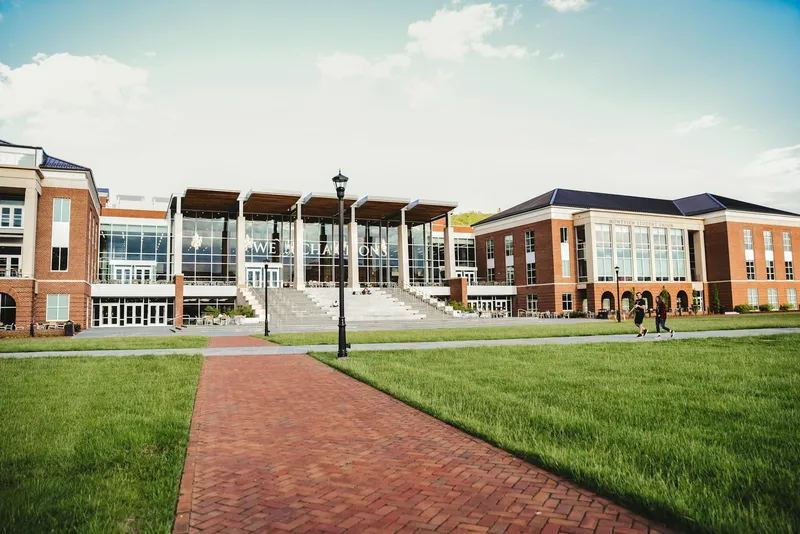
The University Innovation Hub transforms traditional academic spaces into dynamic environments that foster creativity, collaboration, and entrepreneurial thinking. This 95,000 square foot facility serves as a bridge between academia and industry, providing students and researchers with cutting-edge tools and collaborative spaces to develop innovative solutions.
Design Philosophy
Our design philosophy centered on creating flexible, technology-rich spaces that support diverse learning modalities and interdisciplinary collaboration. The building incorporates adaptive learning environments, advanced technology infrastructure, and sustainable design principles to create a forward-thinking academic facility.
Key Features
Collaborative Learning Spaces
- Flexible classrooms with movable furniture and AV technology
- Project-based learning studios with specialized equipment
- Open collaboration zones for group work and ideation
- Presentation and prototyping spaces
Technology Integration
- High-speed connectivity and advanced computing facilities
- VR/AR laboratories for immersive learning experiences
- Maker spaces with 3D printing and fabrication equipment
- Smart building systems with IoT sensors
Industry Partnerships
- Industry collaboration spaces for joint research projects
- Startup incubation facilities within the academic setting
- Conference and event spaces for industry-academia exchanges
- Exhibition areas for student and faculty innovations
Technical Specifications
- Total Area: 95,000 sq ft
- Classrooms: 20 flexible learning spaces
- Labs: 8 specialized technology laboratories
- Parking: 2 levels with EV charging stations
- Construction: Steel frame with advanced MEP and IT systems
- Completion: Q4 2024
Impact & Recognition
This innovation hub has become a catalyst for technological advancement and entrepreneurial education, fostering partnerships between academia and industry. The facility has received acclaim for its role in bridging the gap between theoretical knowledge and practical application, creating new pathways for innovation and economic development.